Cultural identity, women's wisdom and the continuity of ancestral knowledge.
Dream Weaver is a long-term photographic project rooted in a relationship with Arhuaca women of the Sierra Nevada de Santa Marta that has developed over more than a decade. Dream Weaver is ultimately concerned with what photography can become when time, trust and relationship are treated as part of the artistic medium itself. The resulting body of work is an ongoing visual record of a relationship, while also questioning how photography can approach another culture, another landscape and another way of understanding place without reducing any of them to a single image.
The work began in 2014, when I was invited to spend time with the community following an extended period of dialogue with Arhuaca women, Mamos and community leaders. What began as an introduction became an ongoing relationship. I returned repeatedly over the years, allowing trust, shared closeness and a developing female perspective to shape both the work and the visual language we created together..
This duration is fundamental to the project. Dream Weaver considers what becomes possible in photography when the relationship between artist and subject is not confined to a single visit or a predetermined photographic outcome, but is allowed to develop over time.
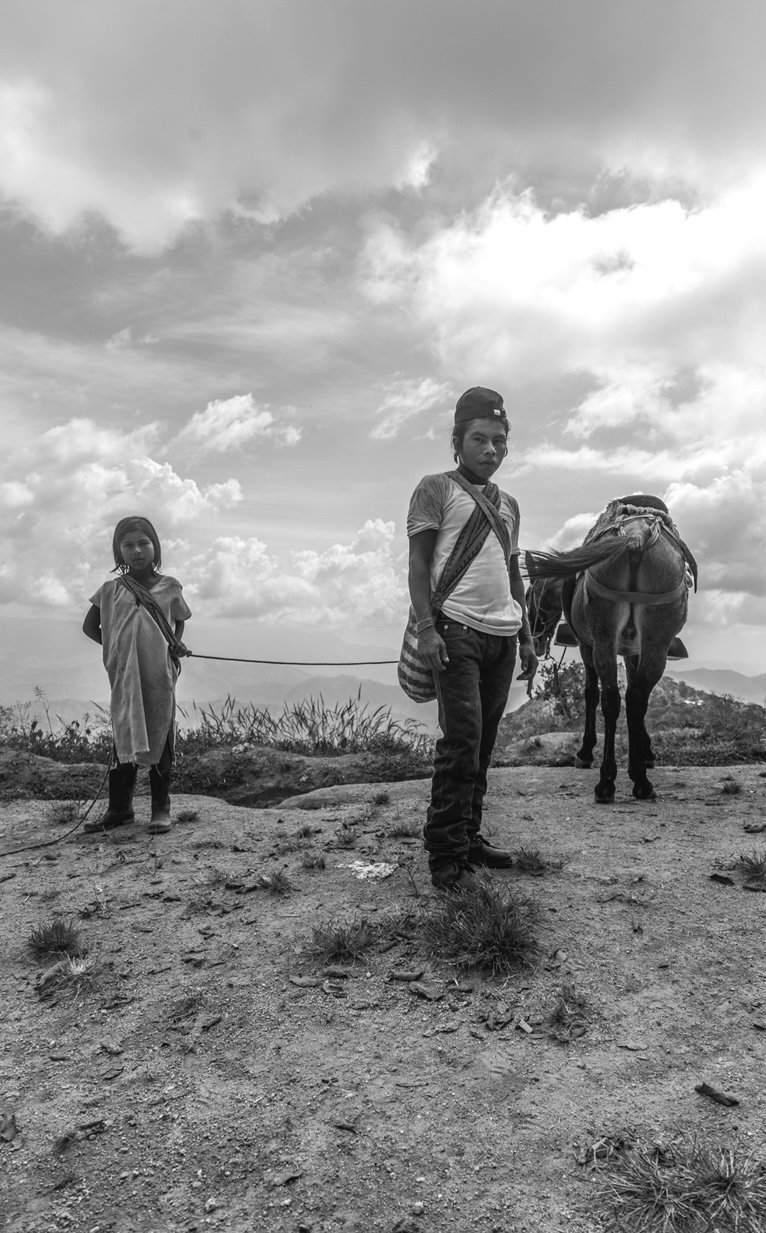
More than a decade of returning has created an evolving body of work rather than a fixed account. Time has allowed the relationship to exist beyond the production of photographs: there have been periods of photographing and periods of simply being present, of returning to familiar places and people, and of allowing relationships to develop without the expectation that every visit must produce an image. The photographs therefore carry not only the particular moment in which they were made, but the accumulated experience of years of shared time. People change, children grow, relationships deepen, landscapes alter and memory accumulates. My position within the work changes alongside them. What began as an introduction has consequently become a body of work shaped by continuity, return and lived experience — where the passage of time is not merely the context for the photographs, but one of the conditions through which the work itself has been made.
I am conscious of the unequal history of photography’s representation of Indigenous peoples, particularly the tendency to turn living cultures into objects of observation or aesthetic consumption. Dream Weaver seeks to work against that distance. I do not claim to represent Arhuaca culture as a whole, nor to translate its worldview into photographic terms. Instead, the work remains situated within my own position as an artist and within a specific, sustained relationship with the women who have allowed me into their lives. The resulting body of work is shaped by those relationships — by the trust, shared time and closeness from which it has emerged.
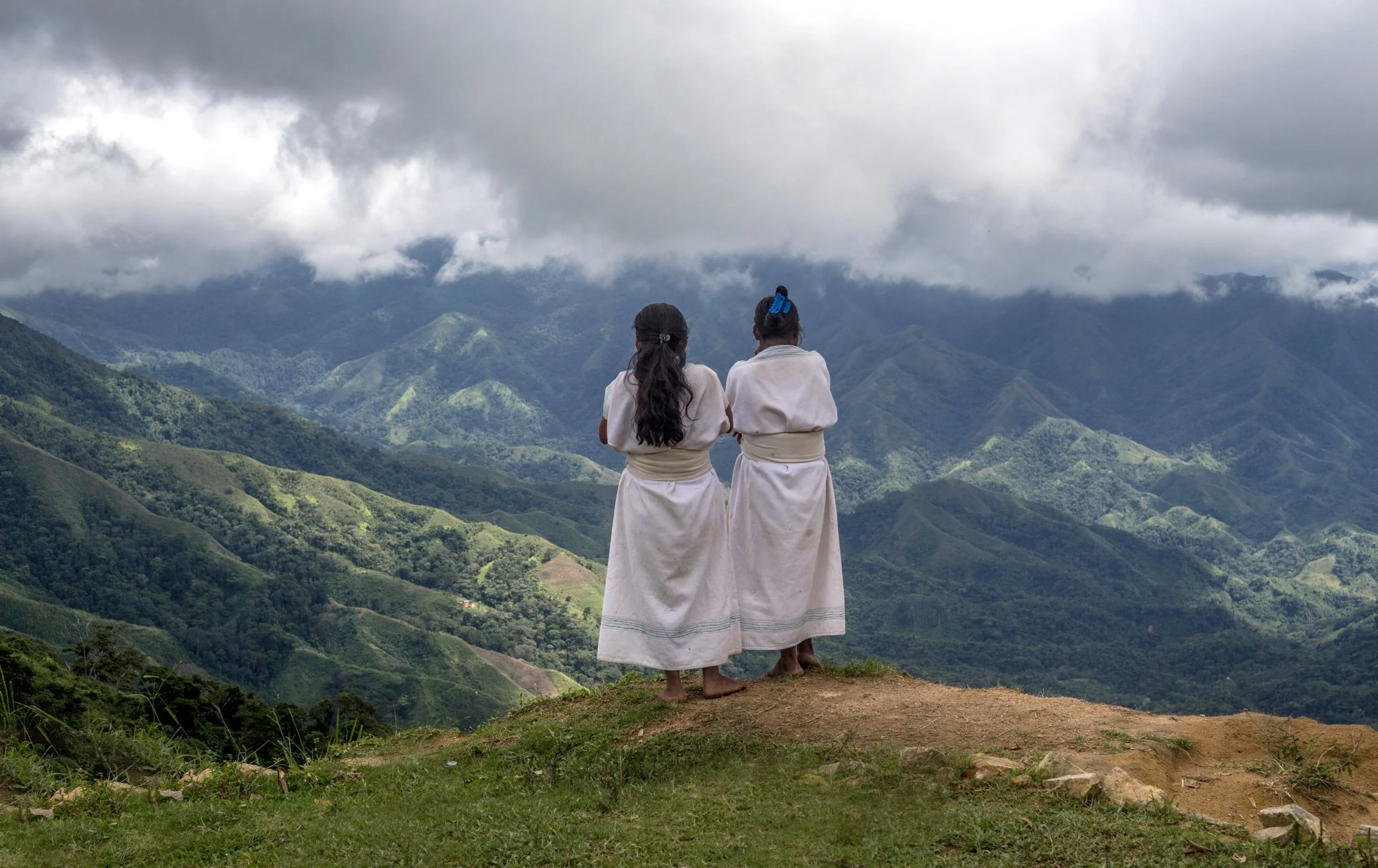
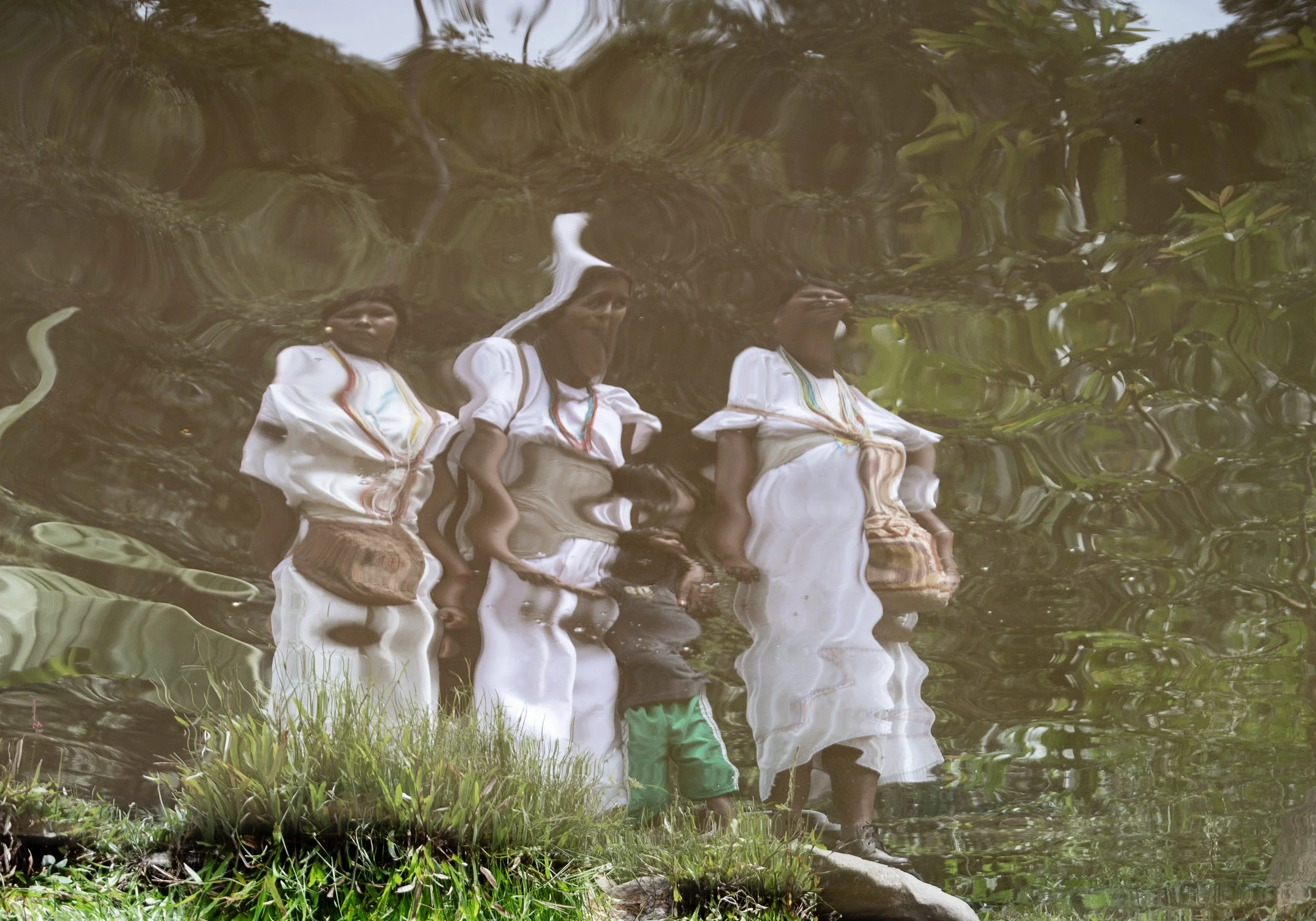
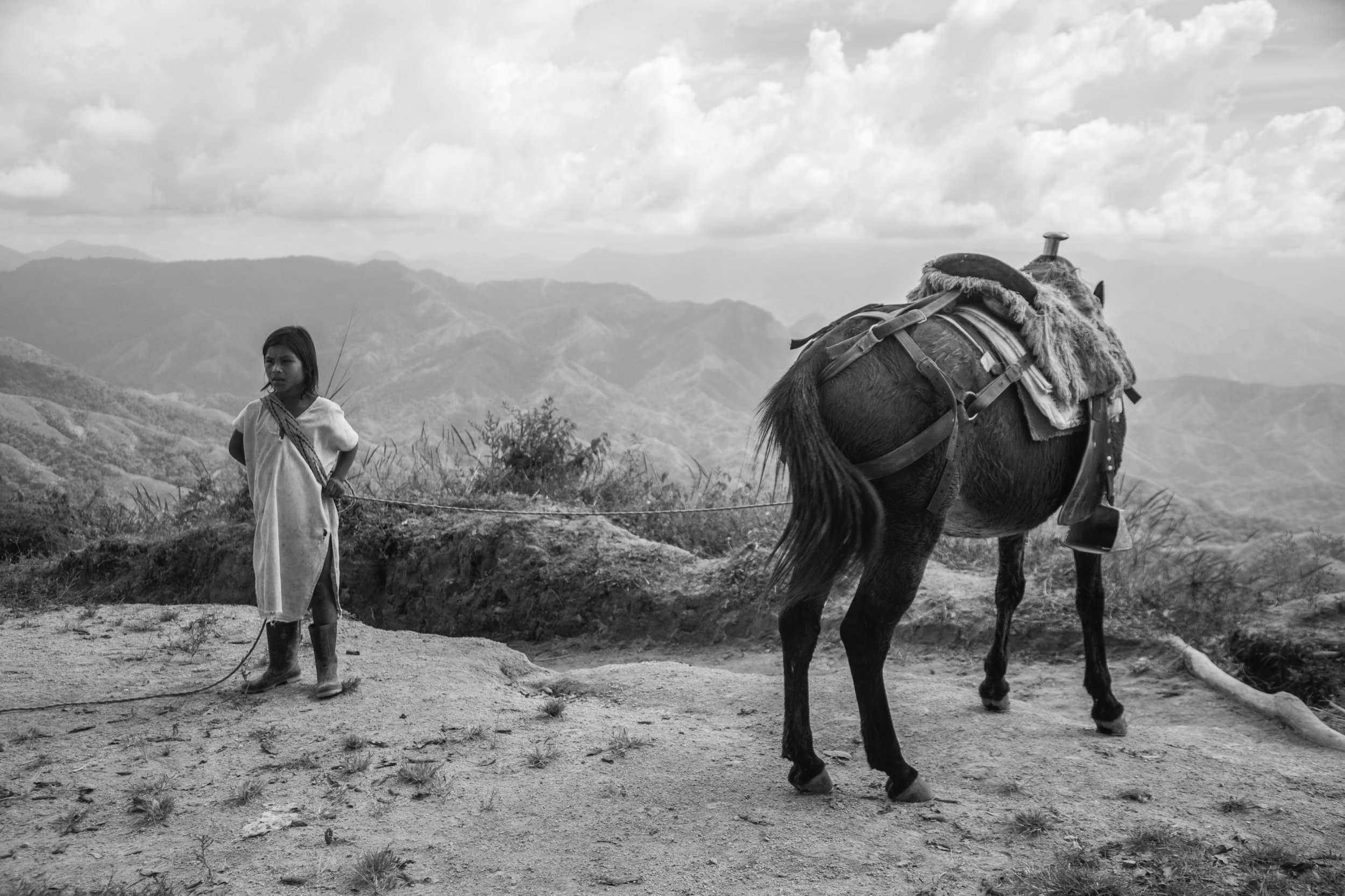
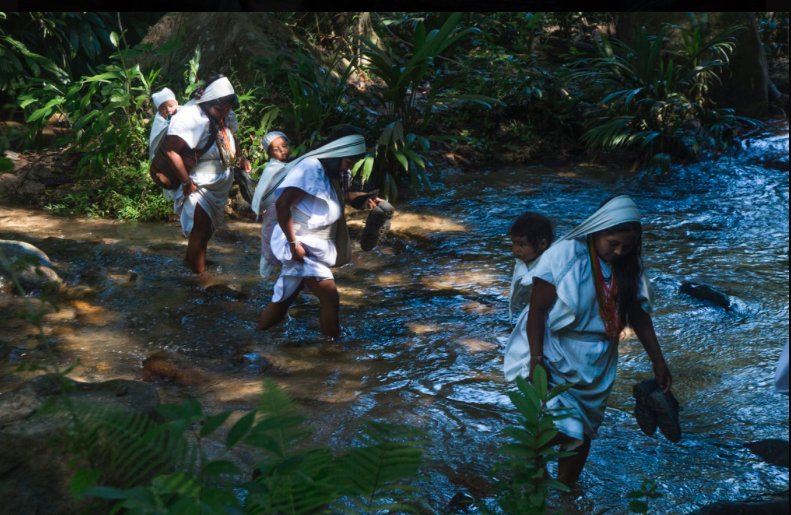
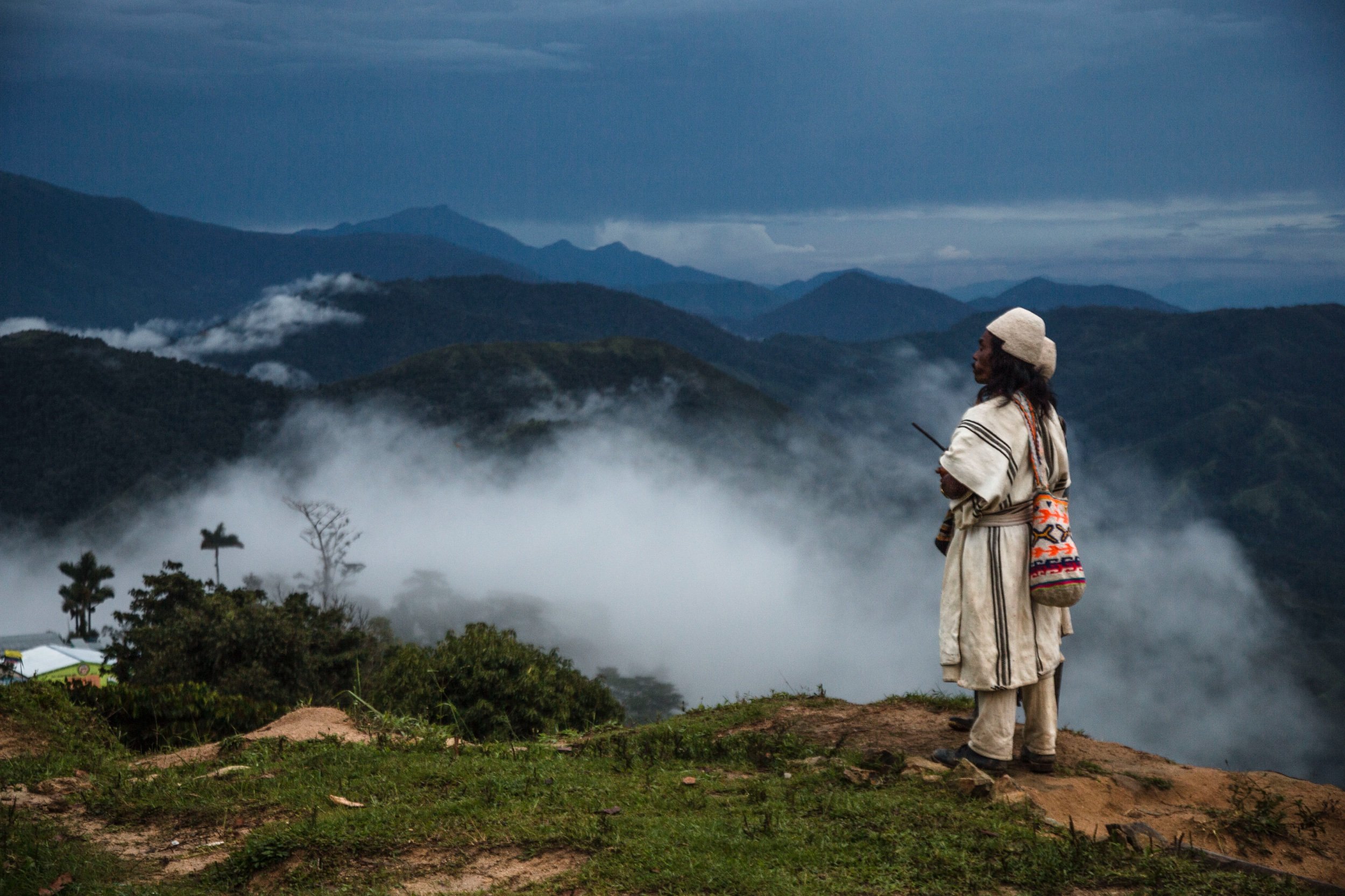
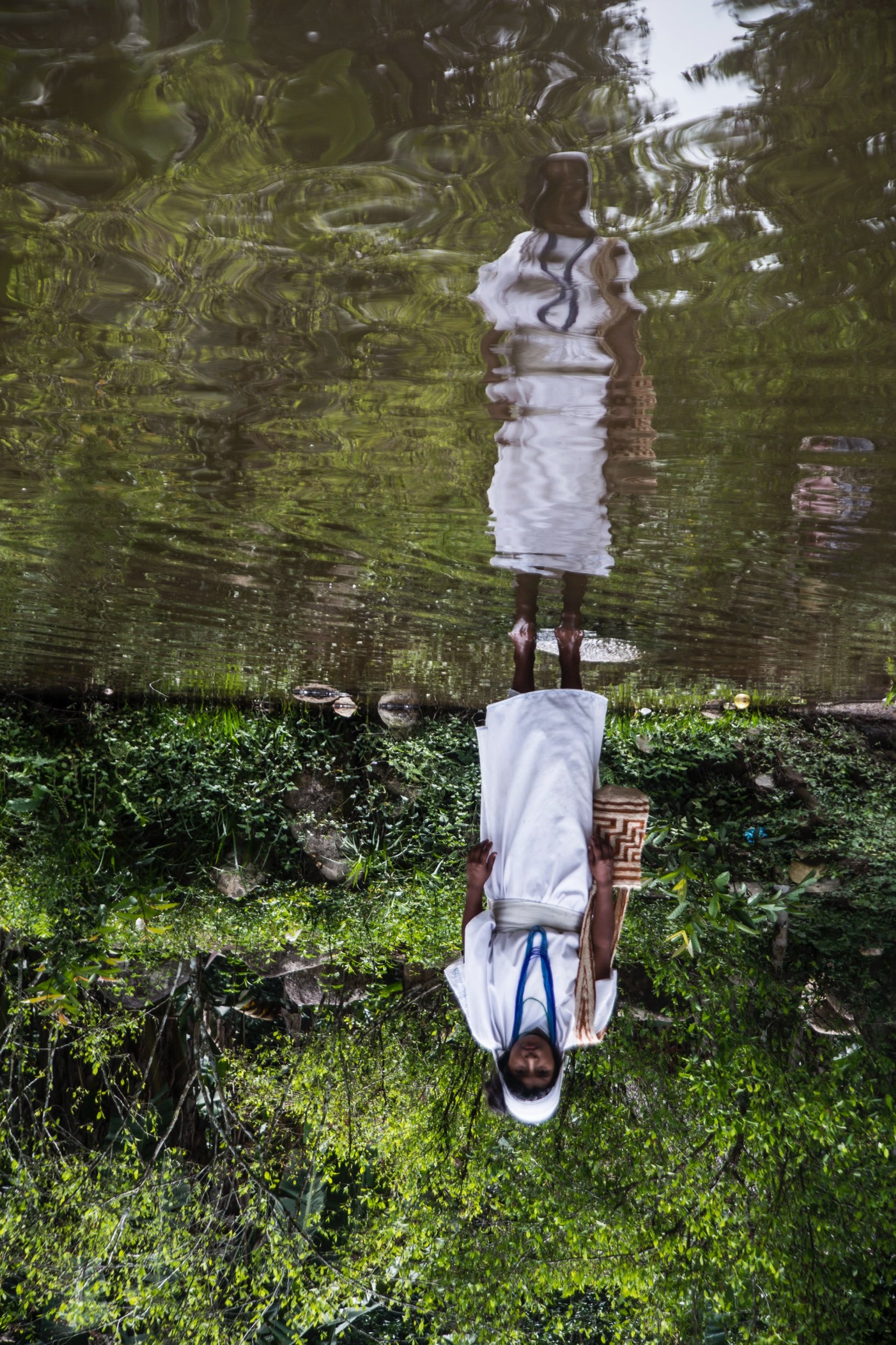
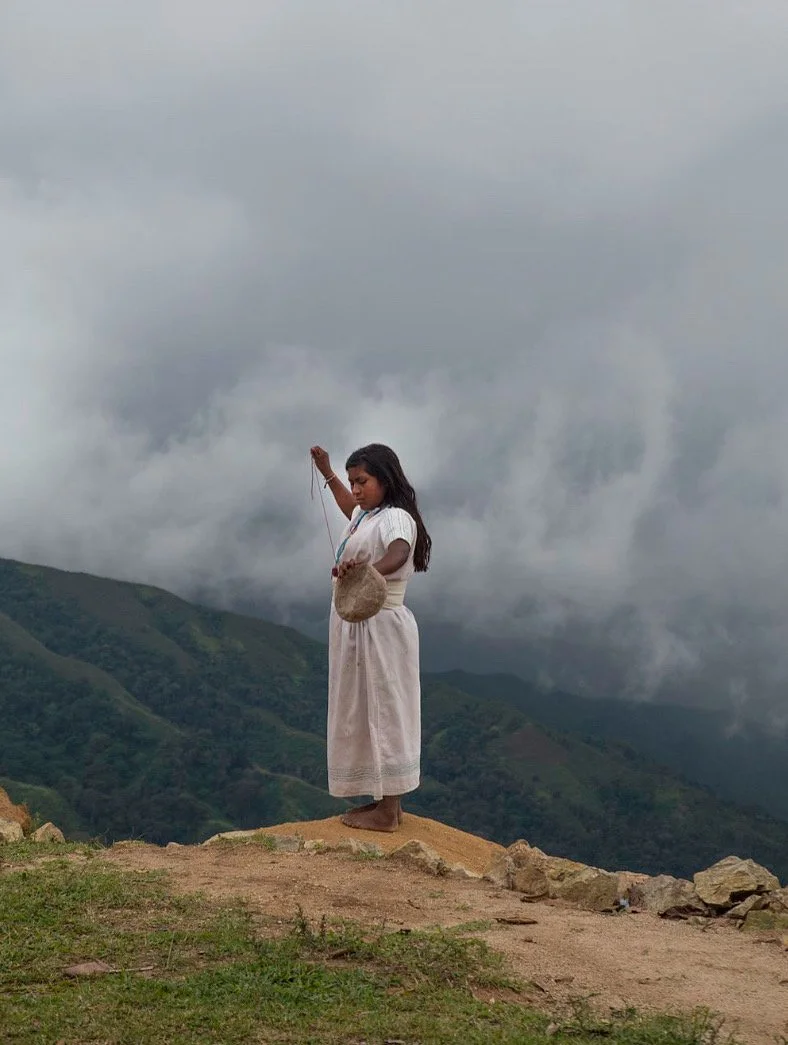
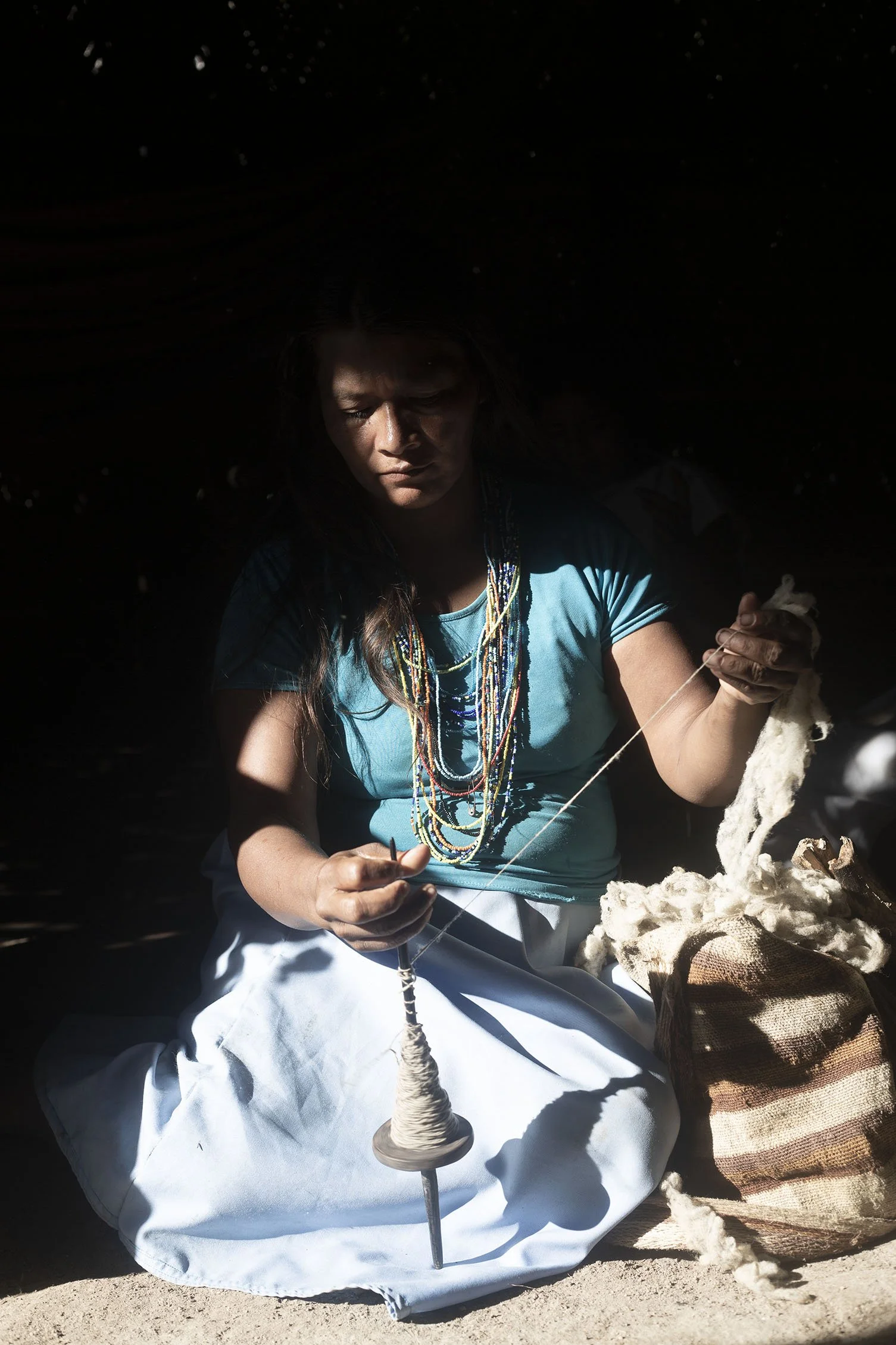
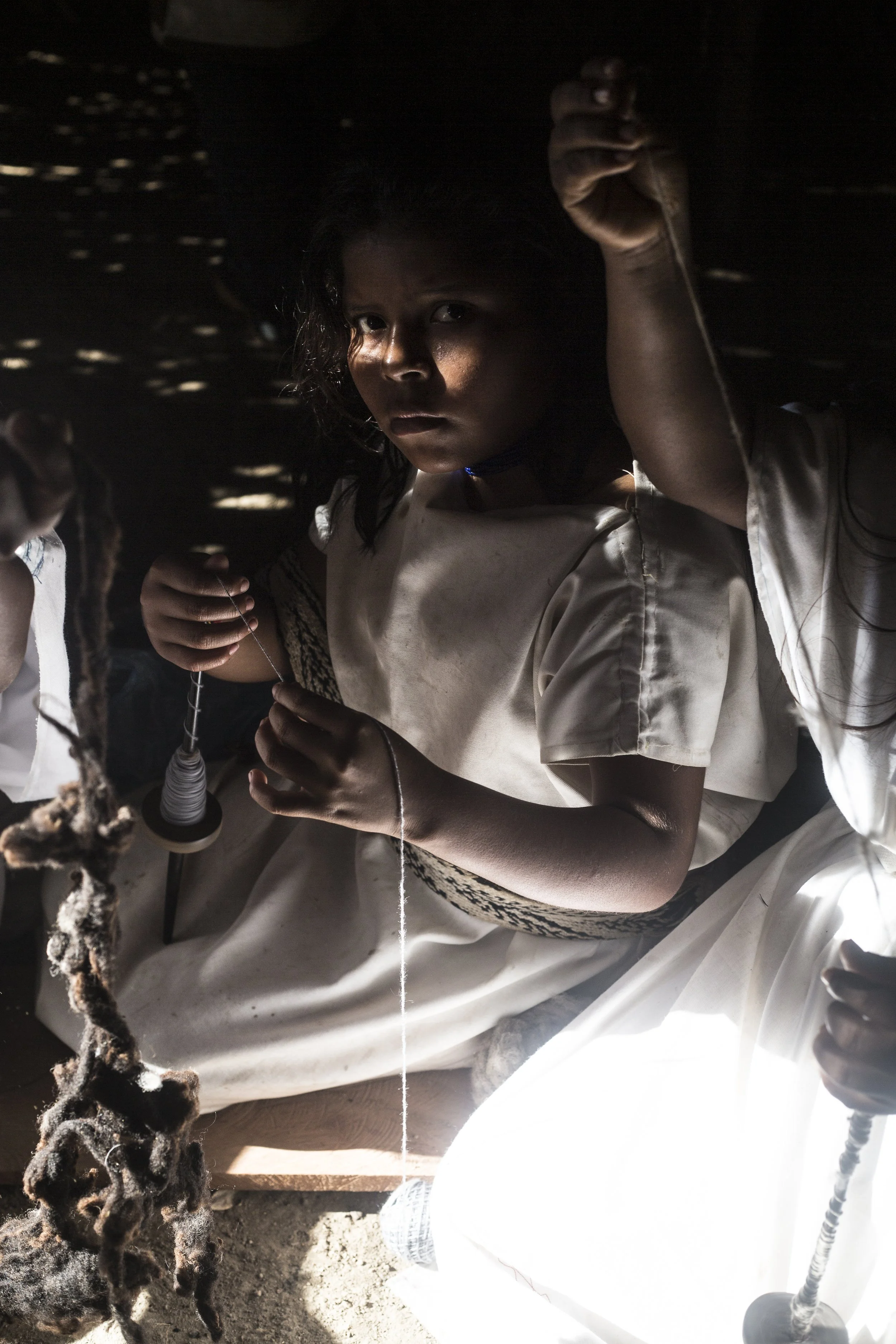
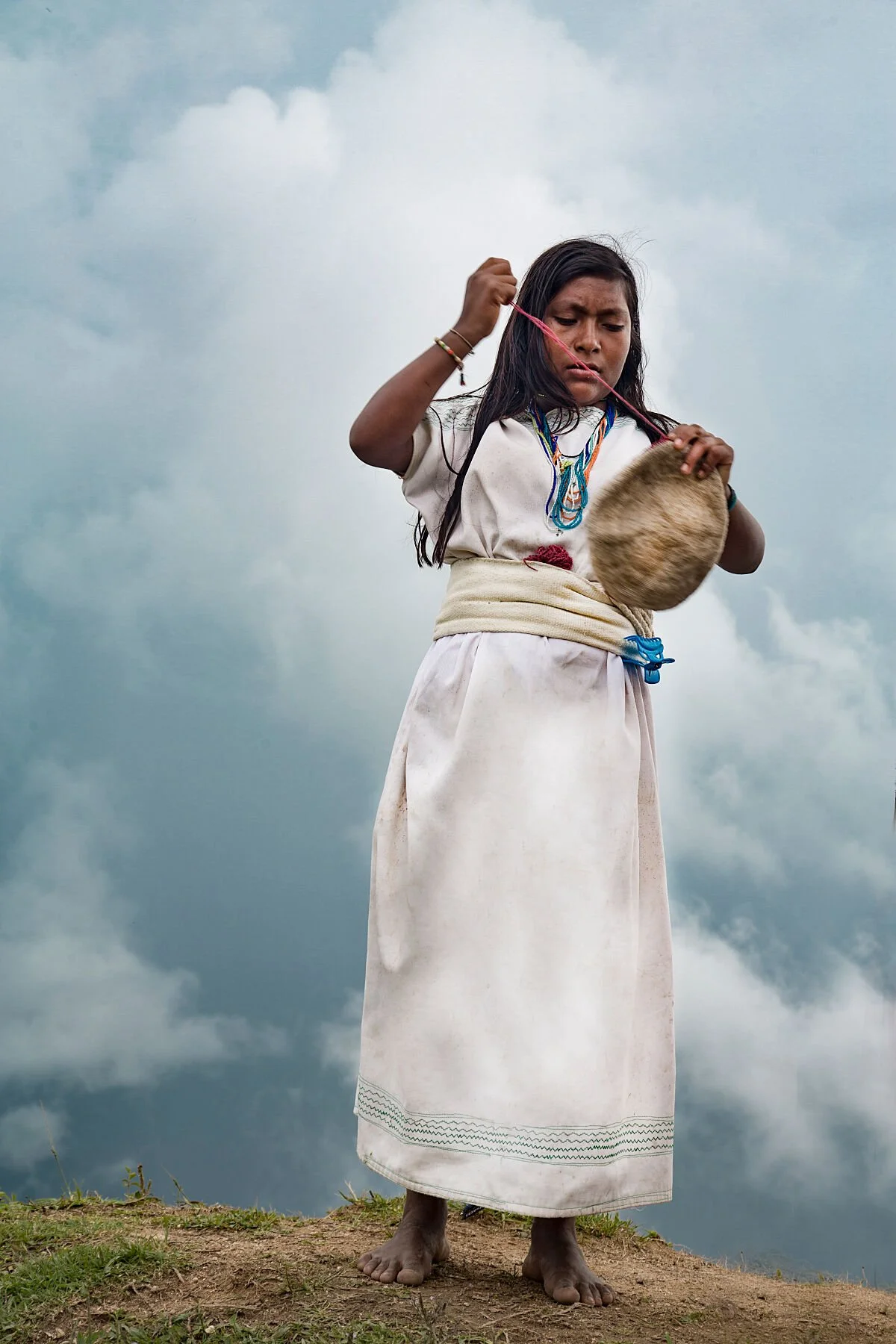
My practice explores the space between portraiture, landscape and memory. Working with photography as a lens-based medium, I move from intimate portraiture into a wider understanding of place, allowing the individual and the landscape to become part of the same visual language. A face, a gesture, a woven object or a fragment of the body may lead into the surrounding landscape; the landscape, in turn, can hold the same sense of presence as a portrait. The photographs move between closeness and distance, between the particular and the expansive, creating a visual continuum in which people are not separated from the territory they inhabit. In this way, portraiture becomes a means of approaching place, while landscape becomes a form of portraiture in its own right.
The Arhuaca relationship to territory is central to the work. Rather than attempting to translate or illustrate that worldview, I allow it to inform my own way of seeing: recognising people, land, material culture and everyday gestures as interconnected. The photographs consequently move between the intimate and the expansive, the observed and the imagined.
The work is neither an ethnographic document nor a conventional portrait series. It is a sustained artistic enquiry into relationship, representation, memory and place. Portraits sit alongside landscape, hands, woven materials, vegetation and fragments of daily life, creating connections across the images rather than presenting isolated subjects. Through this approach, the photographic frame becomes a place where individual presence and the larger landscape can coexist.